First Impressions Underfoot: Staging Your Rugs for a 2026 Home Sale

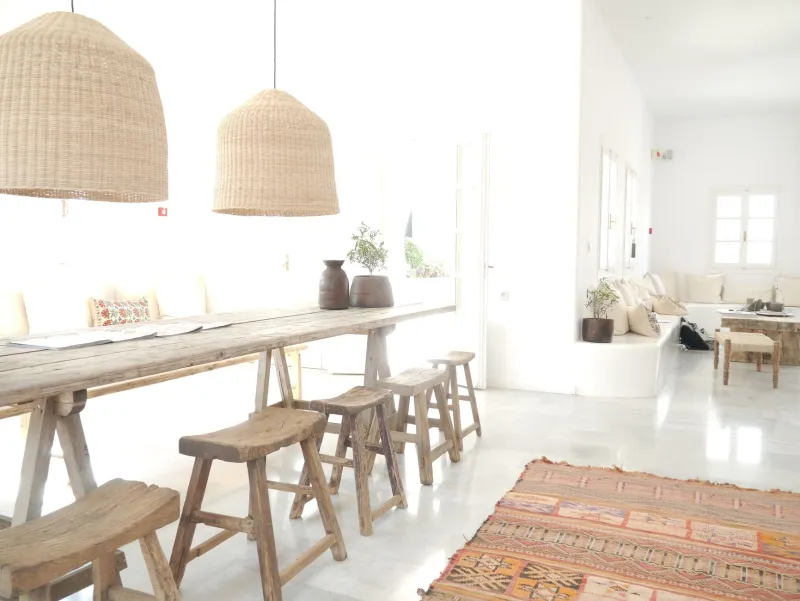
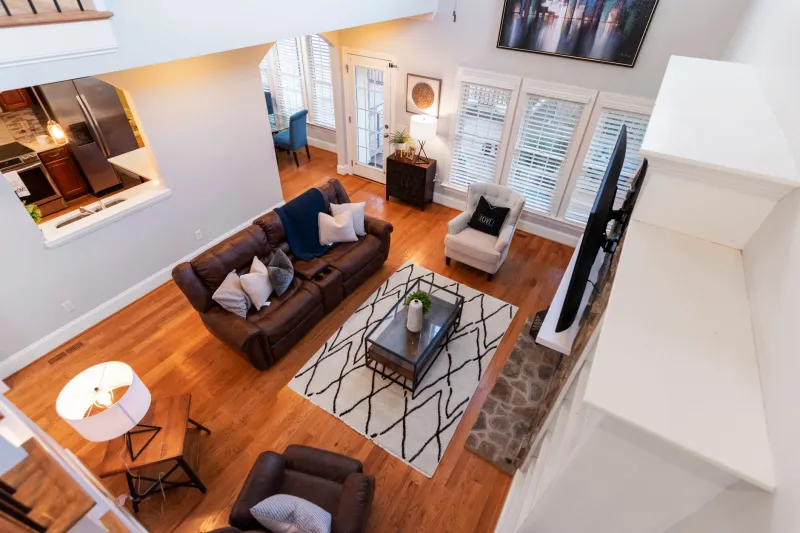
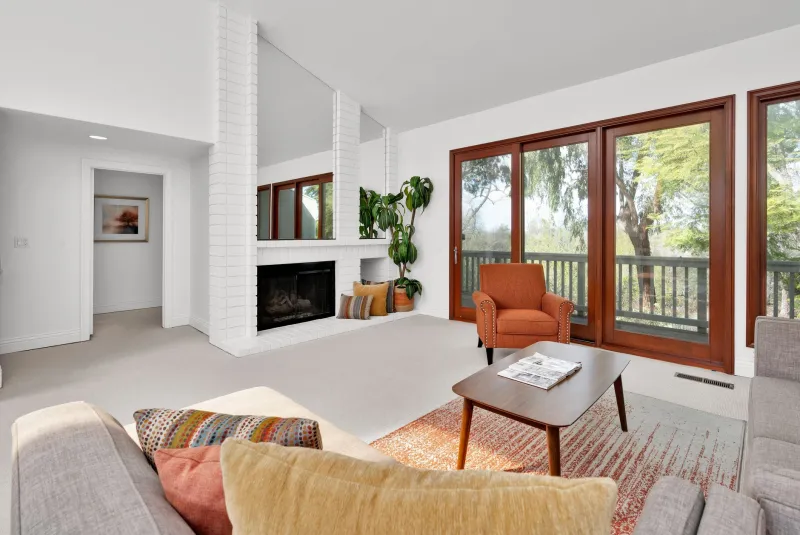
Photo: staged living room with neutral area rug and sofa for home showing, via komonews.com
A buyer walks through the front door and, in the first ninety seconds, forms an opinion that the next thirty minutes of touring will mostly reinforce. Realtors have long described this as the entry moment. Less discussed is what the buyer's eye is doing while it happens: it is scanning downward, checking the floor for evidence. Flooring is expensive, difficult to disguise, and one of the few things a buyer feels qualified to judge on sight. The rugs you leave down are read as part of that evidence.
The floor is a diagnostic surface
A prospective buyer is running two calculations at once — how much will this home cost me after closing, and how carefully has it been kept. Rugs speak to both. A well-sized rug in good condition suggests a household that maintains things. A rug that is too small, curling at the corners, or faded along one wall suggests the opposite, and buyers extrapolate generously from small signals. In a market where monthly payments are still the dominant concern for most purchasers, maintenance history carries unusual weight.
Four signals buyers read
Size and proportion
An undersized rug is the single most common staging error, and its effect is counterintuitive: it makes a room look smaller. When the rug floats in the middle of the floor with visible hard surface between it and the walls, the eye reads a small rug in a large room rather than a generous room with a generous rug. In a living area, the front legs of all seating should rest on the rug; in a dining room, the rug should extend at least twenty-four inches beyond the table on every side so chairs stay on it when pulled out.
Color and contrast
Pale, low-contrast rugs read as space. Dark, saturated rugs read as grounding, but they also absorb light and can make a small room feel tighter. For a listing, the safer approach is a mid-tone neutral with a subtle pattern that hides everyday marks. Highly patterned or strongly colored rugs are memorable, which is a virtue in a lived-in home and a liability in a photograph, where they compete with the architecture the buyer is actually evaluating.
Condition and cleanliness
Buyers notice edges and corners first. Curled corners read as a trip hazard and a maintenance problem in the same glance. Stains read as neglect even when they are old. A rug that has been cleaned, blocked, and given fresh pad and grip looks like an asset; a musty rug in a finished basement raises a moisture question the seller may spend the rest of the tour answering.
Placement and flow
Rugs are wayfinding. They tell a buyer where to walk, where to sit, and where one room ends and another begins. In an open plan, a rug should define the seating zone without forming a wall across the traffic path. In hallways, a runner should stop short of doorways so the threshold is clear. Buyers move through homes physically, and a rug that interrupts that movement leaves a small but real impression of friction.
What is different about the 2026 listing
Video walkthroughs now precede most in-person showings, and phone cameras exaggerate everything about a floor: they flatten texture, sharpen stains, and understate the relief of a good pile. Rug choices that photograph as quiet and expansive tend to perform better in listing media. Meanwhile, buyers arriving in person are inspecting more closely than they did during the fast-moving markets of recent years — asking about age of roof, age of HVAC, and, increasingly, about the condition of what is underfoot. Assume the floor will be scrutinized and stage it as though it will be photographed twice: once for the listing, once on inspection day.
A room-by-room checklist
Entryway. A runner or small rectangular rug, three to four feet wide, sized to leave six to twelve inches of visible floor at the door. Choose a low-pile, cleanable material. This is where buyers wipe their feet and look around; a fresh mat over a scuffed threshold is a small courtesy that registers.
Living room. One large rug, correctly proportioned to the seating group. No layered rugs during showings — layering is a design choice that reads as clutter to an unfamiliar eye. Verify no corners are curled.
Dining room. Rug large enough for chairs to pull out fully. Confirm the rug is flat and that no chair leg catches on an edge. A rug that bunches underfoot is a safety issue, not a style issue.
Primary bedroom. A rug that extends well beyond the bed on both sides and at the foot. Remove small scatter rugs around the bed; they make the room look improvised.
Hallways and stairs. A single straight runner, well secured. Remove any runner held in place with adhesive strips that have begun to lift.
Kitchen and bathrooms. Remove textiles that are damp, worn, or purely decorative. A clean, thin mat in front of the sink is sufficient.
Basement and finished lower level. Any rug with odor should come out entirely. Buyers read basement smell as a structural issue regardless of its actual source.
What to remove, not only what to add
Staging is subtraction as much as addition. Pull rugs with pet odor, visible staining, or significant wear — replacing or removing is almost always better than hoping the buyer overlooks it. Remove excessive layering, small rugs that fragment a floor plan, and any rug that introduces a trip hazard. Keep pads in place; a rug that slides underfoot during a showing is unforgettable in the wrong way.
Honesty is the better strategy
A rug can soften a scratched floor, and that is legitimate. A rug positioned to conceal water damage or a soft spot in a subfloor is not — most states require disclosure of known material defects, and buyers frequently lift corners during inspection. Stage to emphasize what is good about the home, not to obscure what is not. The floor will be examined either way.