The Art of the Rug Rotation: How to Redesign Your Home Without Spending a Dollar
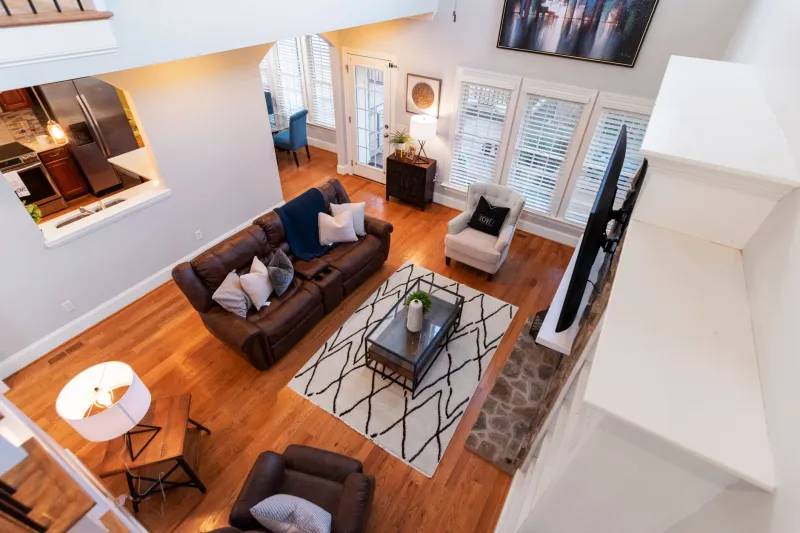
There is a particular kind of design fatigue that sets in not because a room is poorly composed, but because it has been composed exactly the same way for too long. The eye adjusts to its environment with remarkable efficiency, and what once felt considered and intentional gradually recedes into visual wallpaper. The solution most readily offered is a new purchase. The solution most often overlooked is already in the house.
Rug rotation—the deliberate, seasonal or situational movement of rugs between rooms and spaces—is one of the most powerful and least discussed tools available to homeowners and designers working with existing collections. It costs nothing. It requires no installation. And when executed thoughtfully, it can make familiar rooms feel genuinely new.
Why Rotation Works: The Psychology of Novelty
The effect of moving a rug from one room to another is more dramatic than logic might suggest. Part of the reason is that we experience rugs in the context of the spaces around them. A burgundy Turkish kilim that has lived beneath a dining room table for three years becomes essentially invisible to the people who walk past it daily. Move that same rug into the living room, and it announces itself as a rich, saturated anchor piece that changes the entire color temperature of the space.
The rug has not changed. The context has. And context, in interior design, is everything.
Seasonal rotation amplifies this effect by aligning the sensory qualities of a rug with the time of year. A dense, high-pile wool rug in deep jewel tones feels genuinely appropriate in a bedroom during November in a way that it simply does not in July. A lightweight cotton dhurrie in warm sand tones reads as summery and airy in a living room during June—and slightly incongruous in December. Rotating these pieces in response to the calendar creates a home that feels attuned to the season rather than resistant to it.
Taking Inventory: The First Step in Any Rotation Strategy
Before any rug moves, the first task is an honest inventory. This means pulling every rug in the house into conscious consideration—including the ones in storage, the runner in the guest bedroom that rarely gets used, the flatweave that was replaced when you repainted the dining room and has been sitting rolled in a corner ever since.
For each piece, note four things: its approximate dimensions, its dominant colors and pattern scale, its pile height and material, and its current condition. A simple written list or a phone camera album serves this purpose adequately. The goal is to see your collection as a whole rather than as a series of fixed, room-specific assets.
Once you have a complete picture, patterns typically emerge. You may discover that you own several warm-toned pieces and very few cool ones, or that your larger rugs cluster in a particular size range, or that your current placements have assigned your most visually dynamic pieces to rooms that see the least traffic.
A Room-by-Room Rotation Framework
Effective rotation is not random redistribution. It benefits from a light framework that accounts for the functional and aesthetic demands of each space.
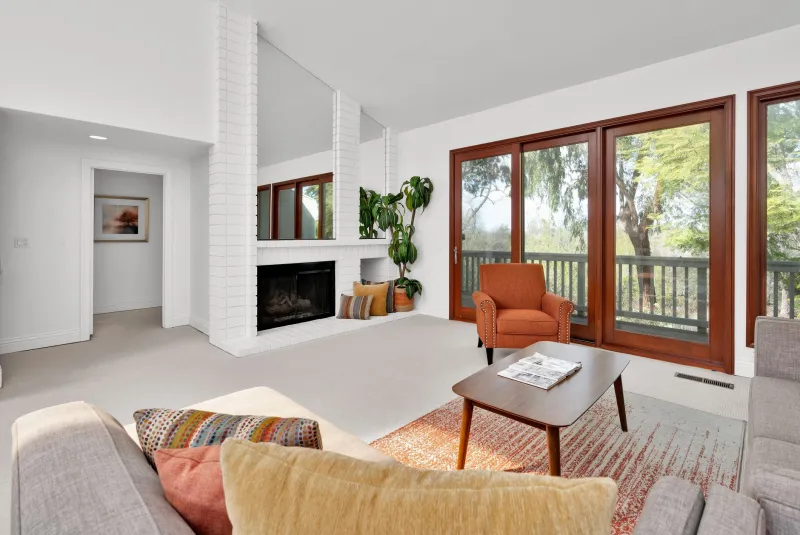
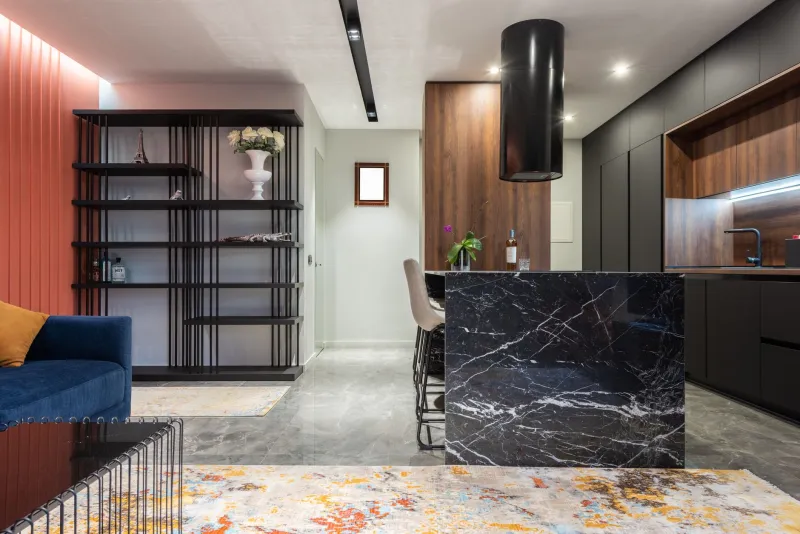
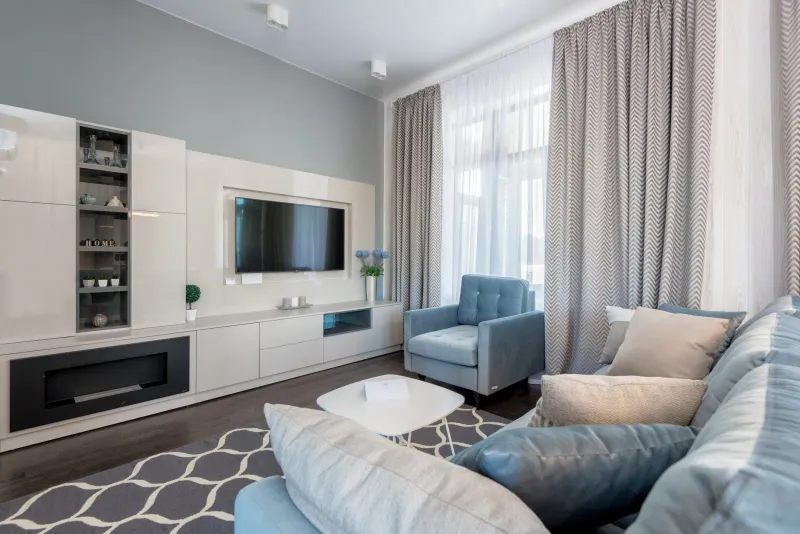
Living rooms are the primary beneficiaries of rotation because they are the spaces most subject to design fatigue. They also accommodate the widest range of rug sizes and styles, which gives you the most flexibility. This is typically where you want to place your most visually interesting piece in any given season—the rug with the strongest pattern, the most saturated color, or the most distinctive texture.
Bedrooms benefit from rotation that prioritizes comfort and sensory appropriateness. A plush, warm-toned wool rug under the bed in winter; a lighter, cooler flatweave or low-pile piece in summer. Because bedrooms are private spaces with lower traffic, they are also appropriate placements for pieces that are visually beautiful but slightly more delicate.
Dining rooms are often over-committed to a single rug choice because the furniture arrangement seems fixed. In practice, most dining room rugs can be exchanged without adjusting the table at all, provided the replacement is within a similar size range. A patterned rug in the dining room during the holiday season creates a festive warmth; the same room with a simpler flatweave feels cleaner and more appropriate for warm-weather entertaining.
Entryways and hallways are natural candidates for seasonal rotation because they set the tonal expectation for everything that follows. A dark, richly patterned runner in the entry in October through February signals warmth and enclosure. A lighter, more graphic piece in spring shifts that first impression entirely.
Planning the Swap: Avoiding Common Pitfalls
The most frequent obstacle in rug rotation is size mismatch. A rug that works beautifully in a 12-by-15-foot living room will look stranded in a 10-by-10-foot bedroom. Before committing to any move, measure both the rug and the intended space, and apply the same sizing logic you would use for a new purchase. A rug that is too small for its new room will look like a mistake regardless of its intrinsic quality.
The second consideration is pile compatibility with the space's function. A high-pile shag rug is a poor choice for a dining room, where chair legs must slide freely and food debris tends to settle. A thin flatweave may feel inadequate as the primary rug in a living room where comfort underfoot is a priority. Matching pile height to the practical demands of the destination space prevents functional disappointment.
Finally, consider how the rug's color palette interacts with its new environment. A rug that was chosen to complement a specific wall color or furniture grouping may clash in a room with a different palette. This is not always a problem—sometimes the contrast is exactly what a room needs—but it is worth previewing before committing to the arrangement.
Before and After: What Rotation Actually Produces
Consider a common scenario: a living room anchored by a large, warm-toned Persian-style rug that has been in place for two years, and a study that currently has no rug at all. Moving the living room rug into the study immediately transforms that space from an austere, acoustically flat room into a warmer, more considered environment. The living room, now rugless, can receive a flatweave that has been sitting in the guest bedroom—one that reads as fresher and lighter against the existing furniture. The guest bedroom, in turn, gets a smaller wool piece from the entry that gives it more visual substance.
Three rooms have changed. Zero dollars have been spent.
Rotation as a Design Practice, Not a One-Time Event
The most valuable aspect of building a rotation practice is the shift in perspective it produces. Once you begin thinking of your rugs as a collection rather than as fixed room assignments, the entire nature of rug acquisition changes. You begin to consider how new purchases will integrate with existing pieces, what gaps in your collection are worth addressing, and which rooms benefit from investment versus which are better served by something already in the house.
A home that rotates its rugs thoughtfully is a home that is actively designed rather than passively decorated. And that distinction, more than any single purchase, is what separates spaces that feel alive from spaces that have simply accumulated things.